The Benefits of Professional Whitening in Cosmetic Dentistry Bakersfield CA

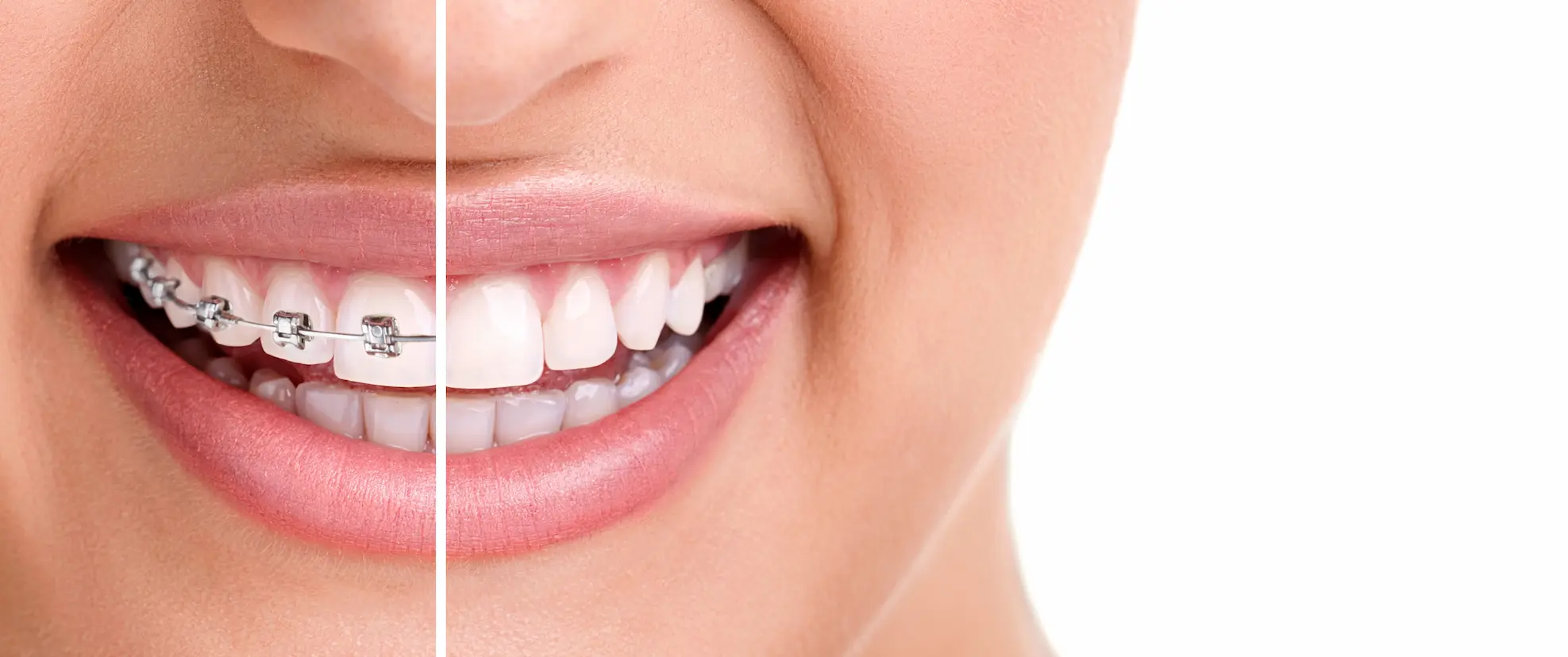
A brighter smile is one of the most requested changes in dental offices, and for good reason. Tooth color affects how clean, healthy, and youthful a smile appears, often before anyone notices the shape of the teeth or the symmetry of the gums. Many people assume whitening is a simple, one-size-fits-all service, but in practice, the difference between store-bought products and professional care can be substantial. When whitening is handled within the broader scope of Cosmetic Dentistry Bakersfield CA, patients usually get more than lighter teeth. They get a treatment plan that respects enamel, addresses sensitivity, and aims for a result that looks believable in real life, not just bright under bathroom lighting.
That distinction matters. Whitening can be fast, affordable compared with veneers or crowns, and very rewarding, but only when the starting point is properly assessed. A coffee stain behaves differently from discoloration caused by aging, medication, or internal changes in the tooth. Existing crowns do not whiten. Bonding does not whiten. A patient with recession may need a gentler approach than a patient with thick enamel and minimal sensitivity. Professional whitening begins by sorting through those variables instead of guessing.
Why professionally whitened teeth look different
Most patients can spot the difference, even if they cannot explain it. Professional whitening tends to produce a cleaner, more even result because the process is tailored to the person sitting in the chair. That starts with diagnosis. Before treatment, a dentist or trained dental professional looks at the color pattern across the smile. Staining is rarely uniform. The canines are often darker than the front teeth. Some teeth have white spots, craze lines, or old fillings that catch the eye once the surrounding enamel becomes brighter. Without evaluating those details, whitening can create surprises.
The strength of the whitening agent also matters, but strength alone is not the whole story. Contact time, gum protection, the condition of the enamel surface, and whether plaque or tartar is present all influence the outcome. I have seen patients spend months with whitening strips only to discover that a routine cleaning changed the result more than the strips did. Surface buildup can act like a film over enamel. If that film stays in place, the whitening gel cannot work as evenly as it should.
Professional treatment also helps avoid the common overcorrection people chase at home. Many over-the-counter products promise dramatic changes, and patients understandably keep going when the mirror still shows uneven color. The problem is that repeated unsupervised whitening can dry teeth out temporarily, increase sensitivity, and make the shade appear brighter for a day or two than it will ultimately settle. In a dental setting, expectations are set more carefully. The goal is not a paper-white smile that clashes with skin tone and facial features. The goal is a healthier-looking shade that fits the person.
Not all stains respond the same way
One of the strongest arguments for professional whitening is that dentists can tell when whitening is likely to work well and when it will only go so far. Extrinsic stains, the ones caused by coffee, tea, red wine, tobacco, and pigmented foods, often respond nicely. Intrinsic discoloration, which can come from trauma, certain medications, or developmental conditions, is a different story. These cases may lighten somewhat, but they often need a more nuanced cosmetic plan.
A common example is the patient with a single dark front tooth after an old injury. That tooth may not respond like the teeth around it. In some cases, internal bleaching may be considered if the tooth has had root canal treatment. In other cases, bonding or a veneer provides a better visual match. That kind of judgment is part of good cosmetic dentistry. Whitening is not treated as a universal fix just because it is popular.
Age also changes how teeth respond. Enamel naturally thins over time, allowing the warmer underlying dentin to show through more prominently. An older patient may still get a meaningful improvement, but the final shade may not look like a teenager’s enamel, and it should not have to. A realistic improvement that preserves character often looks better than an unnaturally blank white.
The safety advantage is often underestimated
Many patients think safety concerns are overstated because whitening products are sold everywhere, from pharmacies to online marketplaces. The reality is more practical than alarming. Whitening is generally safe when used appropriately, but the mouth is full of variables that packaging cannot evaluate.
A few of the most common issues seen in practice include the following:
- Untreated cavities that make whitening painful
- Exposed root surfaces that bleach unevenly and become sensitive
- Leaking fillings that allow irritation
- Gum inflammation that worsens with poorly fitted trays
- Unrealistic expectations when crowns and bonding remain darker than natural teeth
None of these are exotic complications. They are ordinary reasons treatment should begin with an exam. Professional oversight reduces the chance of turning a cosmetic improvement into a week of throbbing sensitivity or patchy color.
This is especially important for people who have had previous dental work. Composite fillings on front teeth may blend acceptably before whitening, then stand out once the surrounding enamel brightens. Patients are often surprised by this, not because the whitening failed, but because the old restoration stayed the same shade. A dentist can plan for that possibility. Sometimes the right sequence is cleaning, whitening, then replacing visible bonding after the new tooth shade stabilizes. That sequence can save both frustration and money.
Faster results, but also more controlled results
Speed gets a lot of attention in whitening ads, yet speed without control is not a real advantage. Professional in-office whitening can often achieve visible lightening in a single visit, but what matters more is predictability. The gums are protected, the soft tissues are monitored, and the treatment can be adjusted if sensitivity starts early.
Take-home trays from a dental office deserve just as much credit. In many cases, they offer the best balance between convenience and control. Custom trays fit the teeth closely, which helps the gel stay where it belongs instead of flooding the gums. The patient can whiten gradually over one to two weeks, and the dentist can recommend changes based on response. If someone starts to feel sensitivity on day three, the protocol can shift to shorter wear times or alternate-day use. Generic trays from a kit rarely allow that level of precision.
There is also the practical question of compliance. People are more likely to follow through with whitening when they have a defined plan and clear instructions. A surprisingly large number of disappointing results happen not because the gel was weak, but because the treatment was inconsistent. Two nights on, three nights off, one strip half hanging off the molars, coffee every morning before the enamel rehydrates fully, then assuming whitening “doesn’t work.” Professional care removes much of that guesswork.
Sensitivity can be managed, not merely endured
Tooth sensitivity is the reason many people hesitate to whiten, and that hesitation is understandable. Some patients feel only a brief zing during or after treatment. Others describe several days of cold sensitivity that makes even room-temperature water unpleasant. The good news is that sensitivity can often be anticipated and managed.
The first step is identifying who is prone to it. Patients with recession, thin enamel, clenching habits, recent cleanings with exposed root surfaces, or a history of sensitivity to cold may need a gentler plan. That may mean lower-concentration gel, shorter treatment intervals, desensitizing toothpaste for two weeks beforehand, or fluoride and potassium nitrate products to calm the teeth. Sometimes spacing treatments farther apart makes all the difference.
This is another area where professional whitening stands apart. In a cosmetic dentistry setting, success is not judged only by how many shades lighter the teeth look. It is also judged by whether the patient can drink iced water the next day without regretting the decision. A slightly slower whitening course that protects comfort is usually better than an aggressive protocol that forces the patient to quit halfway through.
I have seen patients who believed they were “too sensitive for whitening” do very well once the approach changed. Often the issue was not whitening itself, but the method. Poorly fitting trays, overuse, or applying gel every night without breaks had pushed the teeth past what they could comfortably tolerate. Once that was corrected, the process became manageable.
Whitening as part of a larger cosmetic plan
Professional whitening is rarely just about bleach on enamel. In a well-run cosmetic practice, whitening is considered in relation to the whole smile. Tooth alignment, gum display, old restorations, chipped edges, and facial proportions all influence whether whitening alone is enough.
For one patient, whitening may be the entire answer. Their teeth are healthy, well aligned, and simply darker from years of coffee and tea. For another, whitening is the first step before bonding a chipped incisor. If the bonding is done first and whitening is delayed, the shade match may be off. For a patient considering veneers, whitening the surrounding natural teeth first can reduce how many veneers are needed, which is a more conservative and often less expensive approach.
This is where Cosmetic Dentistry Bakersfield CA becomes more than a search phrase. It reflects a style of care where aesthetic treatment is planned, sequenced, and individualized. Bakersfield patients often want a smile that looks polished without looking artificial. Professional whitening fits that goal well because it can improve appearance significantly while preserving natural tooth structure.
Why local habits and climate can influence maintenance
Bakersfield is not unique in having coffee drinkers, red wine drinkers, or patients who use tobacco, but local routines do shape how long whitening lasts. Heat, dry air, and busy work schedules may sound unrelated to tooth color, yet they influence hydration, oral habits, and maintenance. A patient who sips iced coffee over several hours every day exposes enamel to more staining than a patient who drinks it quickly and rinses afterward. Someone who works long outdoor shifts and relies on sports drinks may see more surface staining than expected.
That does not mean whitening will not last. It means maintenance should be realistic. Most patients need occasional touch-ups, whether every few months or once or twice a year, depending on habits and starting shade. This is not a flaw in professional whitening. Teeth are living structures exposed to daily wear, pigments, and aging. Maintenance is part of the bargain, just as hair color needs upkeep and polished stone countertops need sealing.
A dentist can give practical advice here, not just generic warnings to “avoid dark foods.” Very few people are going to give up coffee permanently because they whitened their teeth. A more useful conversation is about timing, rinsing, using a straw when appropriate, keeping up with cleanings, and understanding when a brief touch-up is smarter than starting over from scratch.
The emotional payoff is real, even when the change is subtle
Dentists sometimes talk so carefully about enamel, sensitivity, and restorations that the human side gets lost. Whitening matters because people notice their smiles every day. They see them on video calls, in family Toothworks of Bakersfield, Dentist and Orthodontist Cosmetic Dentistry Bakersfield CA photos, and in mirrors under harsh overhead lighting. A brighter smile can make someone look better rested and better groomed, even if no one can pinpoint why.
The most satisfied whitening patients are not always the ones who go several shades lighter. Often they are the ones whose teeth start looking cleaner and more harmonious with the rest of their face. A small lift in brightness can soften the appearance of age, make lipstick colors look more balanced, or reduce the visual impact of minor crowding. Those are not vanity-only concerns. They affect confidence in a very practical way.
I have heard patients say they started smiling with closed lips out of habit, not because anyone mocked them, but because they had grown tired of seeing yellow or gray tones in photos. After whitening, the change in behavior can be more noticeable than the change in tooth shade. They laugh more freely. They stop editing every picture of themselves. That kind of outcome is hard to quantify, but it is one reason whitening remains so popular.
When professional whitening may not be the right first move
A responsible discussion of benefits should also include limits. Professional whitening is effective, but it is not always the best first treatment. If a patient has active decay, periodontal inflammation, heavy calculus buildup, cracked teeth, or highly visible mismatched restorations, whitening may need to wait. Jumping straight into cosmetic treatment can create discomfort or produce a result that looks incomplete.
There are also cases where whitening will expose rather than solve the problem. Teeth with pronounced white spot lesions can look more uneven immediately after whitening, especially in the first few days. Tetracycline staining may improve only modestly. Fluorosis patterns may become more apparent before they can be blended with other cosmetic techniques. These are not reasons to avoid treatment entirely, but they are reasons to plan carefully.
The right provider will say so plainly. If whitening is unlikely to meet the patient’s goals, honesty matters more than enthusiasm. Sometimes a combination of whitening, microabrasion, bonding, or porcelain provides a more satisfying result than repeated bleaching alone.
What to ask before scheduling treatment
Choosing whitening through a dental office is not complicated, but asking a few direct questions helps. A good consultation should make it clear whether the office has evaluated your existing restorations, your sensitivity risk, and the likely range of improvement. It should also clarify whether in-office treatment, custom take-home trays, or a combination would suit your goals best.
Patients usually benefit from discussing these points:
- Whether a cleaning should be done first
- How existing crowns or fillings will affect the final appearance
- What level of sensitivity is typical in their case
- How long the result is likely to last based on habits
- What touch-up plan makes sense after the initial treatment
These questions do not need a sales pitch attached to them. They need practical, case-specific answers.
Value is not the same as the lowest price
Cost comes up in every whitening conversation, and it should. Over-the-counter products are cheaper at the register. Professional whitening costs more because it includes evaluation, customization, stronger and more controlled materials, and clinical oversight. Whether that is “worth it” depends on the patient’s starting point and expectations.
For someone with mild surface staining and no sensitivity, a store-bought product may provide an acceptable improvement. For someone with visible restorations, a big event approaching, a history of sensitivity, or years of unsuccessful DIY attempts, professional care often offers better value. Paying once for a coordinated plan is often less wasteful than cycling through strips, pens, lights, and viral internet kits that promise dramatic results and deliver very little.
There is also a hidden financial angle. If whitening is done improperly and leads to gum irritation, prolonged sensitivity, or the need to replace poorly matched restorations unexpectedly, the “cheaper” route may not stay cheaper. Dentistry is full of examples Cosmetic Dentistry Bakersfield CA where planning saves money better than improvisation.
A brighter smile that still looks like your own
The best professional whitening does not announce itself from across the room. It simply makes the smile look fresher, cleaner, and healthier. Teeth still retain their natural anatomy, translucency, and character. That is one reason whitening remains such an appealing treatment within Cosmetic Dentistry Bakersfield CA. It is conservative, versatile, and often transformative without requiring drilling or major alteration of healthy tooth structure.
When done well, professional whitening respects biology and aesthetics at the same time. It accounts for the reality that every mouth is different. It recognizes that comfort matters as much as color. And it gives patients something many cosmetic treatments aim for but do not always achieve, a result that looks effortless.
For patients in Bakersfield who want to improve their smile without taking on extensive dental work, professional whitening is often the smartest place to start. Not because it is trendy, and not because it is universally simple, but because under the right guidance it can produce one of the most noticeable changes for the least invasion. That combination is rare in cosmetic care, which is exactly why whitening, when done professionally, continues to earn its place.
Toothworks of Bakersfield, Dentist and Orthodontist
Address: 1030 H St #1, Bakersfield, CA 93304
Phone number: +16613239421
FAQ About Cosmetic Dentistry Bakersfield CA
What is considered cosmetic dentistry?
Cosmetic dentistry includes any dental treatment focused primarily on improving the appearance of your teeth, gums, or bite rather than treating a disease or restoring basic function.
How much does cosmetic dentistry usually cost?
The cost of cosmetic dentistry typically ranges from a few hundred dollars for minor touch-ups to over $20,000 for a comprehensive smile makeover, depending entirely on the specific procedure, materials used, and how many teeth are treated. Because most cosmetic treatments are elective, they are usually paid out of pocket without insurance coverage.
Is there a difference between a regular dentist and a cosmetic dentist?
Yes, a regular dentist focuses on your overall oral health and preventing disease, while a cosmetic dentist focuses on improving the look of your smile.