How Cosmetic Dentistry Bakersfield CA Supports Long-Term Aesthetics

A beautiful smile can change how a person carries themselves, but the most successful cosmetic dental work does more than look good on the day it is finished. It still looks balanced, believable, and healthy years later. That is the real standard. In practice, long-term aesthetics depend on planning, restraint, material choice, bite alignment, and maintenance far more than on dramatic before-and-after photos.
That is where thoughtful cosmetic care earns its value. Patients often arrive focused on whitening, veneers, or closing a gap, yet the larger question is whether the result will continue to suit their face, age well with surrounding teeth, and hold up under ordinary chewing, staining, grinding, and changing gum contours. Cosmetic Dentistry Bakersfield CA supports long-term aesthetics when treatment is built around those realities rather than quick visual improvement alone.
Aesthetic dentistry is not just about brighter teeth
There is a persistent misconception that cosmetic dentistry is mostly a matter of making teeth whiter and more symmetrical. Those details matter, but durable aesthetics are more nuanced. Natural-looking smiles are shaped by proportions, translucency, tooth texture, gum display, lip movement, and the way light reflects off enamel and restorative materials. A smile that looks attractive in a still photo can look flat or artificial in everyday conversation if those factors were ignored.
The strongest cosmetic outcomes are often the least obvious. Patients hear comments like, “You look refreshed,” or “Something looks different, but I can’t place it.” That usually means the work respected facial structure and did not overreach. Teeth should not dominate the face. They should support it.
In Bakersfield, where patients often want a polished but professional appearance, that balance matters. Teachers, sales professionals, medical staff, business owners, and people in public-facing jobs commonly want a smile that reads healthy and confident without looking overly treated. Good cosmetic dentistry serves that goal by improving shape, brightness, and harmony while preserving individual character.
The foundation of long-term beauty is oral health
Aesthetic dentistry fails early when it is placed on an unstable foundation. Gum inflammation, untreated decay, clenching, worn enamel, old leaking fillings, and bite problems can all compromise results. This is one of the biggest differences between surface-level cosmetic treatment and comprehensive cosmetic treatment. The second approach may take longer, but it usually lasts better and looks better over time.
For example, a patient may want porcelain veneers because the front teeth appear short and uneven. If the real cause is nighttime grinding, simply placing veneers without addressing the wear pattern can lead to chipping, edge fractures, or a smile that looks attractive for a short period before breakdown begins. Another patient may ask for bonding to close black triangles near the gums, but if gum disease or recession is active, the shape changes will not remain stable.
An experienced cosmetic dentist evaluates more than color and alignment. They look at gum health, bone support, occlusion, airway habits when relevant, and the condition of the existing enamel. In many cases, long-term aesthetics start with hygiene therapy, replacing failing restorations, adjusting bite forces, or discussing a night guard before the cosmetic phase begins. Patients sometimes feel impatient at that stage, but the delay often protects the investment.
Material choice affects appearance years later, not just immediately
Not all cosmetic materials age the same way. This is a practical issue that patients do not always hear enough about.
Teeth whitening can deliver a noticeable improvement, but it is not permanent. Coffee, tea, red wine, tobacco, certain medications, and ordinary aging gradually shift shade again. Composite bonding can be beautifully sculpted and conservative, but it tends to stain and wear faster than porcelain, especially in patients who drink dark beverages regularly or have a heavy bite. Porcelain veneers and high-quality ceramic restorations generally resist staining better and maintain luster longer, but they require precise planning and involve a greater commitment of time and cost.
There is no universal “best” material. There is only the best fit for a patient’s priorities, habits, anatomy, and budget.
A younger patient with small chips and mild spacing might do very well with conservative bonding because it preserves tooth structure and can be updated later. A patient with intrinsic discoloration, enamel defects, and repeated bonding failures may be better served with ceramic veneers because the long-term surface quality is often more stable. A patient restoring one front tooth after trauma needs careful shade matching that accounts for translucency and neighboring enamel changes over time, not merely the current color under operatory lights.
When Cosmetic Dentistry Bakersfield CA is approached with long-term aesthetics in mind, the conversation includes how restorations will look after five or ten years, how they will be maintained, and what replacement or touch-up cycles are realistic.
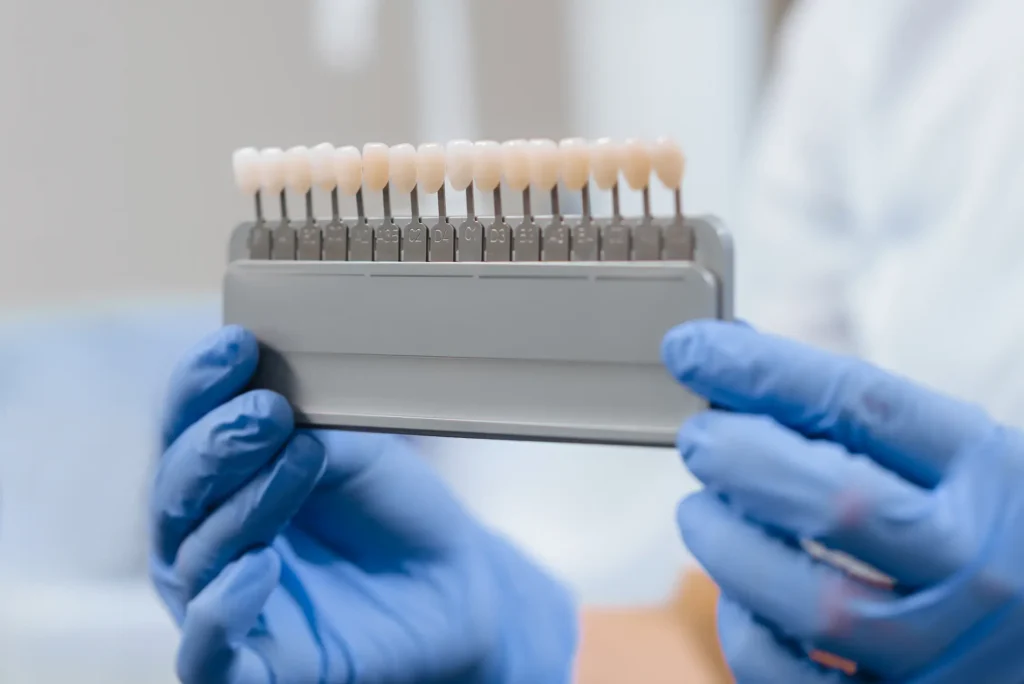
Shade selection is more complex than “white teeth”
One of the most common causes of regret in cosmetic dentistry is choosing a shade that looks impressive at first but eventually feels too opaque, too bright, or disconnected from the rest of the face. Patients are often influenced by edited online images, celebrity smiles, or the immediate drama of a bleach-white result. Real smiles rarely look like that in person.
Natural teeth have depth. Incisal edges can be slightly translucent. Surface texture affects how light scatters. Even healthy enamel is not a uniform block of color. A restoration that is too monochromatic may seem clean in a photograph but can look synthetic in daylight.
Good shade selection takes age, skin tone, lip shape, eye color, and adjacent teeth into account. It also considers whether the patient may whiten other teeth later. This matters particularly when only a few teeth are being restored. A single veneer or crown can look excellent on delivery day and still become more obvious over time if neighboring teeth shift color in a different way.
There is also a psychological component. Some patients initially request the brightest shade available because they assume it represents the best outcome. After mock-ups or side-by-side comparisons, many choose something softer because it appears more elegant and believable. Long-term aesthetics often come from those restrained choices.
Bite design protects cosmetic results
People rarely think of bite mechanics when they think about a beautiful smile, yet it is one of the strongest predictors of how that smile will age. Cosmetic work on front teeth exists in a dynamic system. Every meal, every clench, every unconscious grind at night applies force. If those forces are poorly distributed, edges wear, porcelain chips, bonding pops off, and symmetry begins to fade.
This is especially relevant for patients who already show signs of wear, such as flattened edges, craze lines, jaw soreness, or tension headaches. The smile can be redesigned beautifully, but unless the bite is checked carefully, the final result may be vulnerable.
A well-designed cosmetic plan respects function. The front teeth should guide movement appropriately without bearing destructive load. Back teeth should support chewing. The relationship between upper and lower arches should allow restorations to function naturally rather than absorb concentrated stress.
Sometimes the most aesthetic decision is not the most aggressive one. Lengthening worn front teeth may improve the smile, but if the bite does not allow room for that change, the dentist may recommend orthodontic treatment, enamel recontouring, or a staged rehabilitation rather than simply making the teeth longer and hoping for the best. Patients appreciate that kind of honesty, especially after seeing how often rushed cosmetic shortcuts fail.
Gum architecture frames the smile
Teeth do not exist in isolation. The gums frame them, and small asymmetries in gum height can make even expensive cosmetic work look unfinished. In long-term aesthetic planning, gum contours deserve just as much attention as tooth shape.
A patient may believe that one front tooth Cosmetic Dentistry Bakersfield CA looks shorter than the other when, in fact, the issue is excess gum tissue covering part of the crown. Another may have old crown work that looks bulky because the gum margin is uneven. In cases like these, whitening or veneers alone will not fully solve the problem. Minor periodontal contouring, crown lengthening, or a carefully coordinated restorative plan may be necessary to create symmetry.
Gum health also influences how cosmetic dentistry ages. Inflamed tissues change shape. Recession exposes margins. Plaque retention around rough or overcontoured restorations can create chronic irritation that undermines appearance over time. The best cosmetic restorations are designed to be cleanable and biologically compatible, not just attractive at insertion.
When dentists and hygienists reinforce home care after treatment, they are not protecting only oral health. They are protecting the visual result. Healthy gums keep the frame stable.
Orthodontics often supports better cosmetic outcomes than camouflage alone
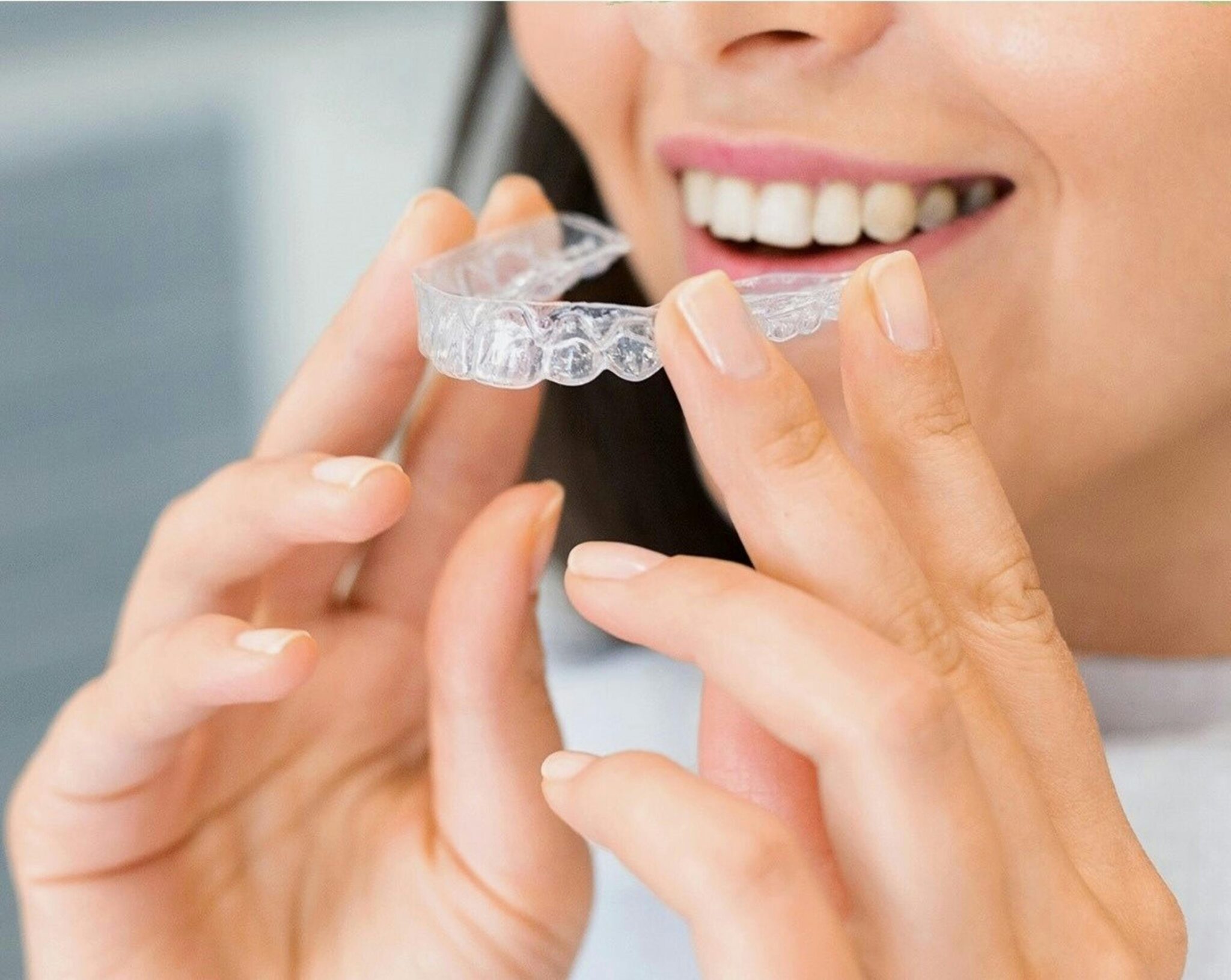
There are cases where patients want veneers because they dislike crowding, spacing, or uneven tooth positions, yet alignment, not surface appearance, is the central problem. In those situations, clear aligner therapy or limited orthodontics may create a better long-term result with less removal of healthy tooth structure.
That does not mean orthodontics replaces cosmetic dentistry. More often, it improves it. Straightening teeth first can allow for lighter bonding, fewer veneers, more conservative preparation, and a final smile that is easier to maintain. It can also improve bite function, which extends the life of later restorative work.
A common example is the adult patient with one overlapping front tooth and years of wear from the resulting bite imbalance. If veneers are placed immediately to “make them straight,” the dentist may need to alter multiple teeth significantly just to create an illusion of alignment. If the teeth are first moved into a better position, the cosmetic phase becomes simpler and often more stable.
This interdisciplinary thinking is a hallmark of sound treatment planning. Cosmetic Dentistry Bakersfield CA can support long-term aesthetics especially well when dentists resist the temptation to solve every problem with the same tool.
The face changes over time, and cosmetic planning should account for that
A smile exists within a face that is constantly changing. Lips thin slightly with age. Skin texture shifts. Muscles move differently. Teeth naturally darken somewhat over time. Gum levels can change. Restorations that were overbuilt to achieve a dramatic effect may become less flattering as those changes accumulate.
That is why timeless cosmetic work usually looks proportionate rather than exaggerated. Very square edges, extremely opaque shades, and overly uniform shapes may seem striking in a patient’s thirties, then start to look discordant later. Softer anatomy, appropriate translucency, and realistic proportions tend to age more gracefully.
A seasoned cosmetic dentist thinks in that time horizon. They ask not only, “Does this look good now?” but also, “Will this still make sense for this patient’s face in ten years?” That question influences edge length, shade intensity, symmetry goals, and the degree of alteration.
I have seen cases where a slight softening of canine prominence or a modest reduction in incisal brightness made a smile more attractive because it fit the person rather than following a rigid ideal. Long-term aesthetics often come from those subtle judgments.
Maintenance is part of the treatment, not an afterthought
Patients sometimes assume that once cosmetic dentistry is complete, maintenance becomes routine and uncomplicated. In reality, maintenance is part of the original treatment decision. Every option carries a different upkeep profile.
Whitening usually needs periodic refreshers. Bonding may require polishing, repair, or replacement as it stains or chips. Veneers and ceramic restorations need regular monitoring for margin integrity, gum response, and bite changes. Night guards matter for grinders. Professional cleanings matter for everyone, but they become even more important around aesthetic restorations, where plaque, stain, and inflammation can quickly affect appearance.
This is where expectations should be concrete. Cosmetic dentistry is durable, but it is not maintenance-free. Patients who understand that tend to be happier because the normal need for touch-ups does not come as a surprise.
One of the more useful conversations a dentist can have is about habits. If a patient drinks several dark coffees a day, uses whitening toothpaste aggressively, chews ice, or skips retainers after aligner therapy, those habits have visible consequences. The point is not to lecture. It is to match treatment with real life. A plan that respects how a person actually lives is more likely to remain attractive.
Local lifestyle factors matter more than people expect
Bakersfield patients are not all the same, but local routines can influence cosmetic durability. Long workdays, outdoor occupations, dry conditions, dehydration, and frequent coffee consumption are common enough to affect oral appearance in practice. Dry mouth, whether from climate, medications, or breathing habits, can increase plaque retention and stain accumulation. Patients who spend long hours speaking, meeting clients, or working in service roles often notice small aesthetic changes quickly because their smile is part of how they present themselves.
That does not require a fundamentally different kind of cosmetic dentistry, but it does mean treatment should be individualized. A patient who cannot come in often for polishing and maintenance may prefer a material with stronger stain resistance. A patient who clenches under stress may need a more robust protective plan. A patient preparing for a wedding or media-facing business launch may need treatment sequenced carefully so whitening, restorative shade matching, and final photography timing all line up.
Those details can seem minor, yet they often determine whether a result merely looks good initially or continues to look polished under normal wear.
Conservative dentistry often produces the most sophisticated aesthetic result
There is a tendency in cosmetic marketing to equate bigger treatment with better treatment. More veneers, more dramatic whitening, more transformation. In reality, some of the strongest aesthetic cases are conservative. A little enamel shaping, strategic whitening, a few well-placed areas of bonding, or limited orthodontic movement can transform a smile without overtreatment.
This matters for longevity because preserving natural enamel is almost always beneficial when possible. Bonding to enamel is generally more predictable than bonding to large areas of dentin. Natural tooth structure helps maintain strength and optical vitality. Once teeth are heavily prepared, future restorative cycles become part of the patient’s long-term path.
That does not make veneers or crowns inappropriate. They can be excellent solutions when indicated. It simply means the best cosmetic dentists do not recommend them reflexively. They weigh how much change is truly necessary to reach the patient’s goals and what cost that change carries over a lifetime.
Patients usually sense the difference. They trust clinicians who are willing to say, “We can get a strong result with less,” when less is enough.
Communication shapes outcomes as much as technique
Aesthetic dentistry is collaborative. Dentists bring technical skill, diagnostic judgment, and experience. Patients bring preferences, sensitivities, and expectations. Long-term success depends on both sides understanding the target.
This is why photography, mock-ups, shade discussions, and honest conversations are so important. “Natural” means different things to different people. So does “white.” One patient wants a Hollywood-bright smile. Another wants to preserve the irregular charm of a slightly rotated lateral incisor because it looks like the smile they grew up with. Neither preference is wrong, but treatment can only succeed if the dentist knows which result the patient is hoping to live with for years.
The best cosmetic planning often includes discussing what the patient does not want. They may not want bulky teeth, rounded corners, visible restoration margins, or a result that draws attention at work. Those negative preferences can be as informative as the positive ones.
When communication is weak, even technically competent treatment may disappoint. When communication is strong, the final result usually looks more personal and more lasting.
What patients should look for when choosing a cosmetic dentist
Choosing a provider for cosmetic treatment should involve more than finding attractive marketing photos. Patients benefit from looking for a dentist who can explain why a recommendation makes sense biologically and mechanically, not just visually. If every concern is answered with the same procedure, that is worth questioning.
A strong consultation often includes a discussion of alternatives, expected lifespan, maintenance needs, and limitations. It may also involve coordination with specialists if gums, alignment, or more extensive rehabilitation are part of the picture. That level of planning tends to produce results that remain attractive longer because fewer variables are left to chance.
It is also reasonable to ask how the office approaches shade selection, bite evaluation, temporary restorations when needed, and follow-up care. Long-term aesthetics are rarely accidental. They are usually the product of careful systems.
The real measure of success
The most meaningful cosmetic dental result is not the reveal moment. It is the smile that still looks right after daily life has had time to test it. It still suits the face. It still functions comfortably. It still feels like the patient, only healthier, stronger, and more at ease.
That is what Cosmetic Dentistry Bakersfield CA can offer when treatment is grounded in health, function, and disciplined aesthetic judgment. It is not just about changing teeth. It is Cosmetic Dentistry Bakersfield CA about creating a result that can live well in the real world, through meals, meetings, photographs, years of wear, and the natural evolution of the face itself.
Long-term aesthetics come from doing enough, but not too much. They come from respecting biology, preserving structure when possible, and planning for maintenance instead of pretending maintenance will not be needed. Most of all, they come from understanding that beauty in dentistry is not a one-day event. It is a result that earns its value over time.
Toothworks of Bakersfield, Dentist and Orthodontist
Address: 1030 H St #1, Bakersfield, CA 93304
Phone number: +16613239421
FAQ About Cosmetic Dentistry Bakersfield CA
What is considered cosmetic dentistry?
Cosmetic dentistry includes any dental treatment focused primarily on improving the appearance of your teeth, gums, or bite rather than treating a disease or restoring basic function.
How much does cosmetic dentistry usually cost?
The cost of cosmetic dentistry typically ranges from a few hundred dollars for minor touch-ups to over $20,000 for a comprehensive smile makeover, depending entirely on the specific procedure, materials used, and how many teeth are treated. Because most cosmetic treatments are elective, they are usually paid out of pocket without insurance coverage.
Is there a difference between a regular dentist and a cosmetic dentist?
Yes, a regular dentist focuses on your overall oral health and preventing disease, while a cosmetic dentist focuses on improving the look of your smile.