Cosmetic Dentistry Bakersfield CA for Gaps Between Teeth
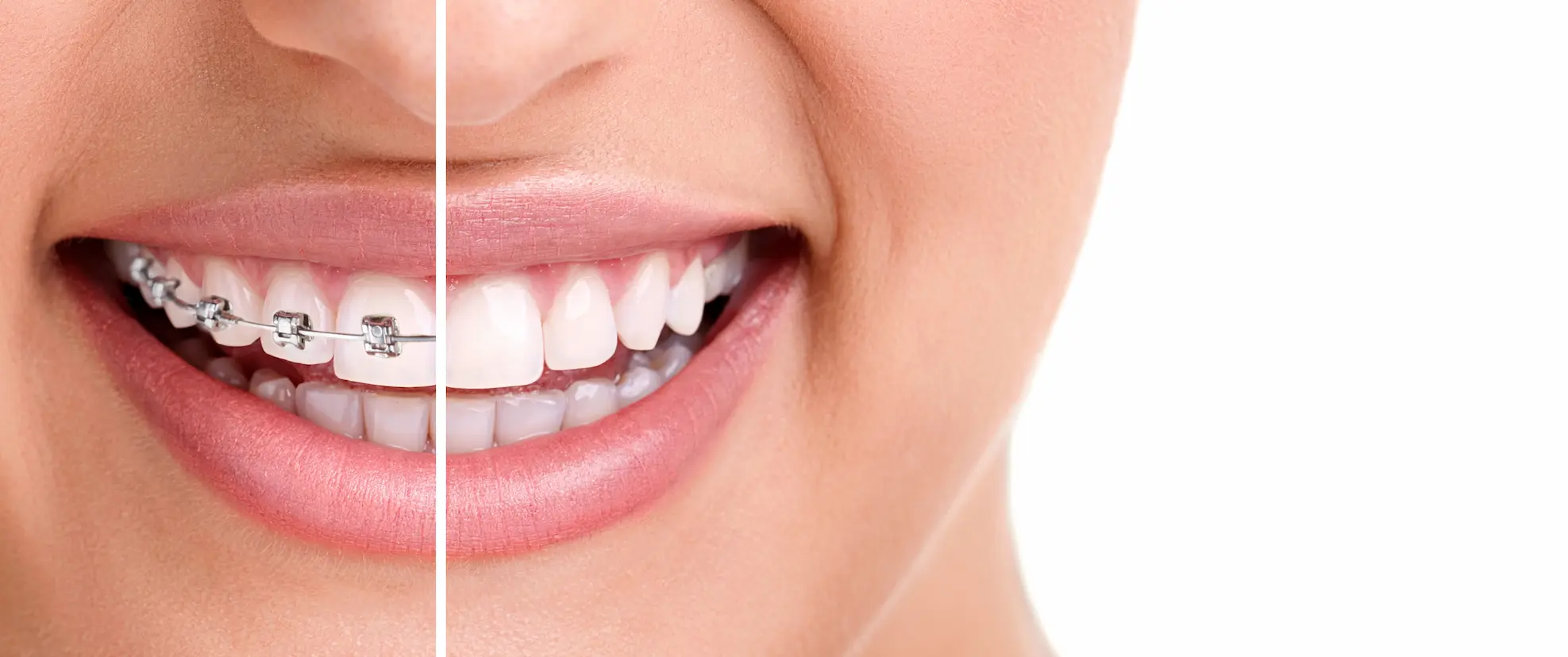
A gap between teeth can be charming, distracting, or frustrating, depending on the person and the size of the space. I have met patients who barely notice the gap until a family photo catches their eye. I have also met people who have spent years smiling with their lips closed because the space feels bigger to them than it looks to anyone else. Both reactions are valid. What matters is understanding why the gap is there, what it means for oral health, and which cosmetic approach makes sense for your face, bite, budget, and long-term goals.
When people search Cosmetic Dentistry Bakersfield CA for Cosmetic Dentistry Bakersfield CA, they are often looking for a quick fix. Sometimes that exists. A small space between front teeth can occasionally be improved in a single visit with bonding. Other times, the right answer is slower and more precise, especially when the gap is tied to tooth movement, gum shape, or a bite problem. The best cosmetic results rarely come from asking only, “How do we close the space?” A better question is, “How do we close the space without making the teeth look too wide, too bulky, or unstable over time?”
That distinction matters more than most people realize.
Not all tooth gaps are the same
The term many dentists use for a gap is diastema. It sounds technical, but it simply means a space between teeth. The most common concern is a gap between the upper front teeth, though spaces can appear anywhere in the mouth.
A small front gap may be mostly cosmetic. A wider gap can point to something structural, such as a mismatch between tooth size and jaw size, shifting after orthodontic treatment, gum disease, tongue posture, or a thick frenum, which is the soft tissue attachment between the upper lip and gum. Missing teeth can also create drifting and spacing. Even a habit, like pressing the tongue against the front teeth when swallowing, can contribute to movement over time.
This is where experience shows. Two people can present with gaps that look similar in a mirror, yet require very different treatment. One may be an ideal candidate for composite bonding. The other may need aligners first because the teeth are rotated and the bite is unstable. If both receive the same cosmetic fix, one may love the outcome and the other may be back in a year asking why the space reopened or why the teeth look too broad.
Why some fast cosmetic fixes fail
Closing a gap sounds simple until proportions enter the picture. Front teeth have a natural width-to-height relationship. If a dentist closes a significant space by adding material to the sides of the teeth without respecting those proportions, the teeth can start to look square, flat, or oversized. Patients often notice this instinctively, even if they cannot explain what feels off.
The same issue happens with veneers if the planning is rushed. Veneers can be beautiful for spacing, especially when shape and color also need improvement, but they should not be used as a shortcut when orthodontics would set up the smile more naturally. Good cosmetic dentistry is not about doing the fastest procedure. It is about creating a result that looks believable on your face at conversational distance, in daylight, and in photos.
A useful rule of thumb is this: the larger the gap and the more complicated the tooth position, the more important it becomes to evaluate orthodontic movement before adding restorative material.
What causes gaps to form or return
Some gaps are present from adolescence and remain stable. Others develop in adulthood, which deserves a closer look. Adult spacing can be a clue that something is changing. Gum disease is one possibility. When bone support is lost, teeth can loosen slightly and drift. Clenching, uneven bite forces, and untreated missing teeth can also alter positioning. So can retainers that were stopped too early after braces.
There is also the issue of relapse. Many adults who had braces as teenagers assume their teeth will stay put forever. They usually do not. Teeth shift throughout life, often subtly at first. A person might notice the return of a tiny front gap, then feel surprised when it becomes more visible over several years. This is one reason retention matters so much after any spacing treatment, whether the correction came from braces, clear aligners, or cosmetic reshaping.
Bonding for small to moderate spaces
Composite bonding is often the most conservative cosmetic option for closing gaps. Tooth-colored resin is shaped directly onto the enamel, then polished to blend with the natural tooth. When done well, it can look elegant and understated. It also preserves more natural tooth structure than veneers or crowns.
Bonding tends to work best when the gap is modest and the surrounding teeth already have good color and general shape. It is especially appealing for patients who want a lower initial cost and minimal drilling. In many offices, bonding for a simple gap closure may be completed in one visit, which is part of its appeal.
Still, bonding has trade-offs. Composite is durable, but it is not as stain-resistant or wear-resistant as porcelain. Edges can chip, especially in people who bite into pens, chew ice, or grind their teeth. Repairs are usually straightforward, which is a plus, but they are still repairs. The finish can also lose some shine over time and may need polishing or maintenance.
For many Bakersfield patients, bonding is a smart first step when the spacing is mild and the bite is favorable. It is one of the more practical treatments within Cosmetic Dentistry Bakersfield CA because it balances aesthetics, speed, and preservation of tooth structure.
Veneers when shape matters as much as spacing
Porcelain veneers are thin custom restorations placed on the front surface of teeth. They are often chosen when closing a gap is only part of the goal. If the teeth are undersized, uneven, worn, chipped, or discolored, veneers can address several concerns at once.
The best veneer cases are planned from the smile outward. The dentist looks at facial midline, lip position, smile arc, tooth proportions, gum symmetry, and the way the patient speaks and bites. A front gap may disappear in the process, but it should not be the only thing guiding treatment.
There is a common misunderstanding that veneers are automatically the premium answer. They are not automatically better. They are simply different. In the right patient, they can be transformative and long-lasting. In the wrong patient, they can be too aggressive or aesthetically heavy-handed. A young adult with healthy enamel and a narrow gap may be far better served by bonding or aligners. A patient with worn edges, patchy color, and multiple spaces may benefit more from veneers because the entire smile needs redesign.
Porcelain generally holds polish and color well, and many veneer cases look excellent for years when the bite is stable and home care is good. But veneers are still a commitment. They require careful maintenance, and replacement may eventually be needed.
Clear aligners and braces for gaps caused by position
If the teeth are tipped, rotated, or spaced unevenly across the arch, tooth movement often delivers the most natural result. Clear aligners are especially popular with adults because they are discreet and fit into professional life with less social friction than traditional braces. Braces still have advantages in some cases, particularly when movement is more complex or compliance is a concern.
Orthodontic treatment closes spaces by bringing teeth into healthier positions rather than making them larger. That usually preserves natural anatomy and helps the smile look less “done.” It can also improve bite function, which cosmetic-only procedures cannot always accomplish.
The trade-off is time. Some aligner cases finish in a matter of months, while more involved treatment may take a year or longer. Retainers are not optional afterward. They are part of the treatment, not an accessory. People who skip this step often learn the hard way that even beautifully corrected gaps can reopen.
In practice, I often think of aligners as the quiet hero in spacing cases. Patients come in asking for veneers because they want the gap gone. After a careful exam and imaging, it becomes obvious that moving the teeth first will create a cleaner canvas. Sometimes bonding or veneers are still used afterward, but far less material is needed and the result looks more balanced.
When a gum or frenum issue is part of the problem
A thick frenum between the upper front teeth can contribute to a persistent gap, especially if the tissue extends low between the teeth. In those cases, closing the space cosmetically without addressing the tissue can increase the chance of relapse. A frenectomy, which is a minor soft tissue procedure, may be recommended as part of the overall plan. Timing matters. Some clinicians prefer to move teeth first and then address the frenum, while others plan differently based on anatomy and age.
Gum health also deserves careful attention. Inflamed or receding gums can change the appearance of spacing and affect how restorations blend. If periodontal disease is active, cosmetic treatment should usually wait until the tissues are stable. That can be hard for patients who want immediate aesthetic change, but it is the right call. Cosmetics placed on an unhealthy foundation rarely age well.
A closer look at cost and value
Patients often ask for a single number, but gap treatment does not lend itself to a flat answer. The cost depends on the method, the number of teeth involved, the amount of planning, and whether additional treatment is needed for bite correction or gum health. Bonding is usually the most affordable entry point. Veneers cost more because of lab fabrication, design time, and materials. Clear aligners vary widely depending on complexity and duration.
Value is not just the fee. It is how well the treatment fits the case. A lower-cost option that needs repeated repairs or leaves the smile looking unnatural can become expensive in the long run. On the other hand, an elaborate treatment plan is not a bargain if a simpler, more conservative approach would have produced a result the patient loved.
A thoughtful consultation should cover not only price, but lifespan, maintenance, aesthetic limits, and what happens if the patient wants revisions later.
What a good consultation should include
A cosmetic consultation for gaps should feel more like planning than sales. The dentist should examine the bite, gums, tooth proportions, existing restorations, and facial symmetry. Photos are especially helpful because they capture details that are easy to miss in a chairside mirror. Digital scans or impressions may also be used to preview spacing changes or simulate movement.
Here are signs the discussion is headed in the right direction:
- The dentist explains why the gap exists, not just how to hide it.
- More than one treatment path is discussed, with trade-offs.
- The conversation includes retention and long-term stability.
- Tooth proportion and smile design are part of the plan.
- Gum health and bite function are evaluated before cosmetic work begins.
That kind of conversation usually leads to better choices. It slows the process down just enough to avoid the most common regrets.
The importance of proportion in front teeth
If there is one detail that separates average cosmetic work from excellent cosmetic work, it is proportion. Front teeth do not exist as isolated blocks. Their width, length, line angles, and contact points all affect whether a smile looks soft, youthful, natural, or artificial.
When closing a gap, the temptation is to add equal width to both adjacent teeth and call it done. Sometimes that works. Often it does not. A better approach considers the neighboring teeth, the curvature of the smile, and even the shape of the patient’s face. A narrow face can be overwhelmed by bulky central incisors. A broad smile may tolerate more width gracefully. Men and women also often prefer subtly different tooth character, though individual taste matters more than stereotypes.
This is why small mock-ups can be so useful. Even a quick chairside preview with temporary material can show whether the added width feels right. Patients who were unsure often Cosmetic Dentistry Bakersfield CA become decisive the moment they see the difference.
Adult patients often need a blended approach
One of the most practical truths in cosmetic dentistry is that many real-world cases do not fit neatly into one category. A patient may need a few months of aligners to move the roots, then bonding to refine shape. Another may benefit from whitening first, because brighter natural teeth make minimal bonding blend better. Someone with old uneven fillings near a gap may need those restorations updated as part of the finish work.
This mixed approach tends to produce some of the most natural outcomes. It can also reduce overtreatment. Instead of using veneers to solve every issue, the dentist solves each problem with the least invasive tool that will do the job well.
I have seen this matter a great deal for adults in their thirties and forties who want a polished smile but do not want it to look overdesigned. They often care less about having “perfect” teeth than having teeth that look healthy, harmonious, and unmistakably theirs.
Daily habits that protect the result
Once a gap is closed, maintenance becomes part of the success story. Even excellent cosmetic work can fail early if it is exposed to heavy forces, poor hygiene, or no retention. Bakersfield’s warm, dry climate does not directly harm dental work, but dehydration and dry mouth can make plaque control harder for some people, especially those taking medications that reduce saliva.
A few habits make a real difference:
- Wear retainers exactly as prescribed after orthodontic treatment.
- Avoid using front teeth to tear packages or bite hard objects.
- Keep up with cleanings and gum care so teeth stay stable.
- Use a night guard if grinding or clenching is present.
- Address chips or shifting early, before small problems grow.
These are simple measures, but they preserve aesthetics and save money. Most touch-ups are easier when handled promptly.
Choosing the right provider in Bakersfield
Searching for Cosmetic Dentistry Bakersfield CA will bring up many offices, and nearly every modern practice uses terms like smile makeover or aesthetic dentistry. That does not tell you how they think through spacing cases. The more useful clues are in the details of the consultation and the before-and-after work, especially cases that resemble your own.
Look for examples where the teeth still look like teeth, not uniform tiles. Pay attention to whether the gumline looks healthy, whether the smile fits the face, and whether the result seems believable. If every transformed smile looks bright and straight but oddly identical, that tells you something. Individualization matters.
Ask how often the office combines cosmetic treatment with aligners, gum therapy, or restorative updates. Spacing cases frequently call for coordination, not a one-size-fits-all procedure. It is also reasonable to ask what happens if a bonded edge chips, how often retainers are checked, or whether wax-ups and previews are available before veneer treatment.
Patients sometimes feel shy about asking technical questions because they do not want to sound difficult. A good cosmetic dentist will not be bothered. They will usually welcome the chance to explain the reasoning, because thoughtful patients are often the happiest with the final result.
The smile should look effortless, not engineered
The best cosmetic dentistry for gaps between teeth does not announce itself. It simply removes the distraction. Friends may say you look rested or polished without immediately identifying why. That is often the sweet spot.
Closing a space is not just about filling an empty area. It is about respecting anatomy, preserving healthy tooth structure, and choosing a treatment that will still make sense years from now. For some people, that means a conservative bonding appointment and a careful polish. For others, it means aligners, then refinement. For still others, veneers are the right call because shape, color, and proportion all need attention at the same time.
If you are considering Cosmetic Dentistry Bakersfield CA for gaps between teeth, the most valuable step is not picking a procedure from a website. It is getting a diagnosis that explains the cause of the space and a treatment plan that matches both your smile and your life. When that piece is right, the cosmetic result usually follows.
Toothworks of Bakersfield, Dentist and Orthodontist
Address: 1030 H St #1, Bakersfield, CA 93304
Phone number: +16613239421
FAQ About Cosmetic Dentistry Bakersfield CA
What is considered cosmetic dentistry?
Cosmetic dentistry includes any dental treatment focused primarily on improving the appearance of your teeth, gums, or bite rather than treating a disease or restoring basic function.
How much does cosmetic dentistry usually cost?
The cost of cosmetic dentistry typically ranges from a few hundred dollars for minor touch-ups to over $20,000 for a comprehensive smile makeover, depending entirely on the specific procedure, materials used, and how many teeth are treated. Because most cosmetic treatments are elective, they are usually paid out of pocket without insurance coverage.
Is there a difference between a regular dentist and a cosmetic dentist?
Yes, a regular dentist focuses on your overall oral health and preventing disease, while a cosmetic dentist focuses on improving the look of your smile.