Cosmetic Dentistry Bakersfield CA for a Youthful Appearance
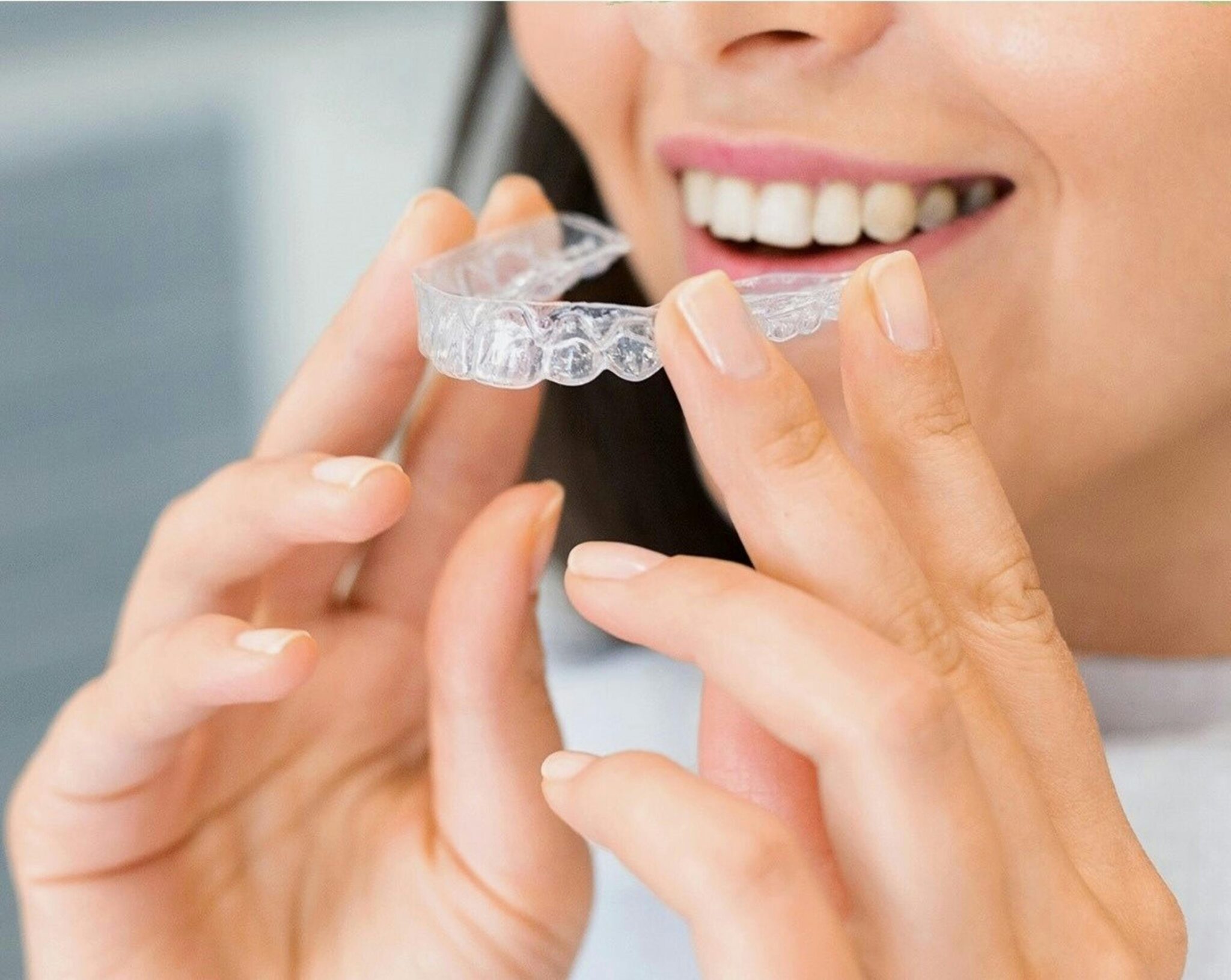
A youthful appearance is not only about skin, hair, or the right lighting. Teeth play a larger role than most people realize. When I speak with patients who feel their face looks tired, older, or less vibrant than it used to, the conversation often starts with wrinkles and ends with their smile. Shorter teeth, worn edges, dark restorations, staining, and uneven spacing can age the face in subtle but powerful ways.
That is why Cosmetic Dentistry Bakersfield CA has become such a practical conversation, not just a vanity purchase. People are not always chasing a dramatic Hollywood makeover. More often, they want to look rested, healthy, and like themselves again. A well-planned cosmetic treatment can restore brightness, support the lips, soften the look of wear, and bring back a more energetic facial expression.
The key word is well-planned. Youthful smiles do not come from overdone veneers or a paper-white shade that looks disconnected from the face. They come from proportion, restraint, and a clear understanding of how teeth age over time.
Why teeth change the way the whole face reads
A smile affects the lower third of the face, which is where aging tends to become more visible. Teeth naturally darken as enamel thins and dentin becomes more noticeable. Edges chip. Grinding flattens the biting surfaces. Old dental work can lose its polish or show dark lines near the gums. Even small shifts in alignment can create shadows that make the smile look less lively.
When front teeth wear down, patients often tell me they feel like their smile has disappeared in photos. That description is more accurate than it sounds. Younger smiles tend to show more tooth structure at rest and during speech. As teeth shorten and lips lose support, less of the smile appears. The result can make the face seem heavier or more severe, even when the person is healthy and expressive.
This is one reason cosmetic dentistry is often as much about rebuilding structure as improving color. Whitening alone can help, but if the front teeth have become uneven, translucent, or flattened, brightness does not solve everything. A youthful smile usually combines fresh color with the right shape and length.
The details that make a smile look younger, not artificial
Patients sometimes come in with photos of very white, very uniform celebrity smiles. Those images can be useful for discussing preferences, but real success depends on matching the smile to the person's face, age, skin tone, and natural movement. There is a point where perfect becomes aging in its own way. Teeth that are too opaque, too square, or too large can draw attention for the wrong reasons.
The best cosmetic work respects a few visual truths. Slight softness at the corners can feel more natural than severe geometric edges. Surface texture matters because natural enamel reflects light with subtle variation. A little translucency near the edges can make teeth look alive, while too much can make them appear worn. The gumline also matters. If one side is higher than the other, or if the front teeth look different lengths because of the tissue rather than the tooth itself, correcting that imbalance can make the smile look fresher almost immediately.
This is where experience matters. The same treatment can look elegant in one mouth and out of place in another. Bakersfield patients span a wide range, from young professionals wanting conservative whitening to adults in their 50s and 60s trying to reverse years of wear. Their goals sound similar, but the treatment plan should not be copied from one person to the next.
Common signs a smile is adding years to your appearance
Not every age-related smile change is obvious when you look in the mirror every day. Most people notice something feels off before they can name it. A dentist with a cosmetic focus usually looks for a pattern rather than a single flaw.
Here are some of the most common signs:
- Teeth that look shorter or flatter than they did a decade ago
- Yellowing or deep internal staining that whitening toothpastes cannot touch
- Chips, cracks, or uneven edges that catch the light
- Old crowns or fillings that look darker or more opaque than nearby teeth
- Crowding or shifting that makes the smile look shadowed or compressed
One patient in her early 60s described her smile as "serious," which turned out to be exactly right. Her front teeth had worn down enough that very little showed when she spoke. After conservative lengthening with porcelain restorations and a night guard to protect against grinding, her entire expression softened. She did not look like a different person. She looked like a less tired version of herself.
Whitening can help, but only when the foundation is right
Teeth whitening is usually the first cosmetic treatment people consider, and for good reason. It is often the most affordable and least invasive way to brighten a smile. For patients with mild to moderate discoloration, especially from coffee, tea, red wine, or normal aging, whitening can make a meaningful difference.
Still, whitening has limits. It does not change shape, repair wear, or fix old restorations. In fact, that is one of the most common disappointments. Natural teeth lighten, but existing crowns and fillings do not. A patient whitens successfully, then notices an older crown on a front tooth looks dull by comparison. Planning around this matters.
Professional whitening in a dental office or through custom trays typically gives more predictable results than over-the-counter strips, especially when staining is uneven. Sensitivity can happen, but most patients manage it well with spacing, lower-strength gel, or a desensitizing product. The real question is whether whitening is the whole answer or just the first step.
In practice, I often see whitening work best as part of a broader sequence. Brighten first, let the shade settle, then match any bonding, veneers, or crowns to the new baseline. That avoids the common mistake of doing restorations too early and locking in a darker shade.
Bonding, veneers, and crowns, what each one actually does
Patients often use these words interchangeably, but they serve different purposes. Choosing well means looking at the condition of the tooth, not just the cosmetic goal.
Bonding uses a tooth-colored resin applied directly to the tooth. It is excellent for small chips, minor gaps, uneven edges, and localized discoloration. It is more conservative than porcelain and usually less expensive upfront. The trade-off is longevity. Bonding can stain, dull, or chip over time, especially in patients who bite hard or drink a lot of coffee.
Veneers are thin porcelain coverings placed on the front surface of teeth. They are often ideal when shape, color, and proportion all need improvement at once. A well-made veneer can look remarkably natural because porcelain reflects light in a way that resembles enamel. Veneers are not right for every case, though. If a patient has heavy grinding, active gum disease, or untreated bite problems, veneers placed too soon can fail.
Crowns cover the entire tooth and are generally used when the tooth is more damaged, heavily restored, or structurally weak. Cosmetic goals can still be achieved beautifully with crowns, but they are usually chosen because strength is part of the equation.
The "best" option is rarely the one with the biggest social media presence. It is the one that solves the problem with the least unnecessary dentistry.
How Invisalign and alignment changes can take years off a smile
A youthful smile is not just bright. It is open, balanced, and easy to read. Small tooth movements can have a major effect on that impression. Mild crowding in the front teeth can create dark zones that make the smile seem narrower. A rotated tooth catches light differently and can appear darker than it really is. One front tooth that has drifted inward with age can make the entire smile feel less symmetrical.
Clear aligner treatment, including Invisalign in appropriate cases, can be a strong cosmetic tool even for adults who never had braces or whose teeth have shifted after earlier orthodontic work. I have seen patients gain a more refreshed appearance simply by correcting lower crowding and aligning the upper front teeth before whitening. The face did not change, but the smile became easier to see and more harmonious.
This matters because cosmetic dentistry is often strongest when it is layered thoughtfully. Straighten first, whiten second, restore only what still needs help. That path can reduce the number of veneers or crowns needed, and it often produces a more believable result.
Gum contour and tooth proportion, the often-missed part of youthfulness
If a smile looks uneven, the teeth are not always the problem. Sometimes the gums create the illusion of short, mismatched, or bulky teeth. A tooth can be healthy and normal in length but appear small because gum tissue covers more of it than expected. In other cases, the gumline is uneven, which makes the front teeth look lopsided in photos.
Minor gum contouring can refine the frame around the teeth and dramatically improve symmetry. The goal is not to create a rigid Cosmetic Dentistry Bakersfield CA straight line. Natural smiles have flow. The two central incisors usually share a similar height, the lateral incisors often sit slightly shorter, and the canines help define the corners. When that pattern is distorted by tissue shape, correcting it can make the smile look brighter and younger without changing the teeth much at all.
This is one area where restraint is critical. Overcontouring gums can make teeth look too long or expose areas that become sensitive. The planning should respect biology, not just cosmetics.
Rebuilding worn teeth can restore more than the smile
One of the clearest markers of an aging smile is wear. It happens gradually, often from grinding, clenching, acidic diets, or a lifetime of normal use. Patients who have significant wear frequently say their face looks collapsed or their profile seems less supported. That feeling is not imaginary. When teeth lose length, the bite can close down, and the lower face may look more compressed.
Rebuilding worn teeth can restore the visible length of the smile and, in some cases, improve facial support. This is highly case-specific. Not every worn smile needs full-mouth treatment. Some patients need selective bonding or veneers on the front teeth. Others need a more comprehensive reconstruction because the bite itself has changed.
This kind of work demands careful records, bite analysis, and usually a trial phase. The cosmetic result matters, but function matters just as much. A smile that looks good for six months and chips under daily use is not a success.
A practical evaluation often considers these factors:
- How much enamel remains and whether wear is still actively progressing
- Whether the patient grinds or clenches, especially during sleep
- If the bite has shifted enough to affect comfort or restorations
- How visible the teeth are at rest, in speech, and in full smile
- Whether simpler options could achieve the same visual improvement
Patients are sometimes surprised to learn that a protective night guard is part of cosmetic dentistry. It is, especially in Bakersfield adults with stress-related clenching or years of wear. Protecting the investment is part of the treatment, not an add-on.
Age-appropriate cosmetic dentistry looks better over time
There is a difference between looking younger and looking artificially altered. The best Cosmetic Dentistry Bakersfield CA tends to follow a simple principle: restore what time changed, but do not erase all individuality.
Natural teeth are not identical. They have tiny asymmetries, slight changes in translucency, and contours shaped by light. Good cosmetic work preserves enough variation to feel real. A patient in her late 50s does not need to mimic the smile of a 22-year-old to look more youthful. She may benefit more from softer incisal edges, moderate brightening, and replacing a few aging restorations than from a full set of extremely white veneers.
This age-appropriate approach usually ages better too. Trends change. Hyper-bleached, ultra-opaque smiles can date quickly. Smiles built around healthy proportions and natural light reflection tend to stay attractive for many years.
What to expect during a cosmetic consultation in Bakersfield
A proper cosmetic consultation should feel more like planning than selling. The best appointments include photographs, close examination, a discussion of bite and habits, and an honest talk about priorities. Some patients care most about color. Others care about one chipped front tooth that draws their eye in every picture. Some want the biggest change possible. Others want nobody to know they had dental work done.
That distinction matters because cosmetic success depends on matching treatment to the patient's tolerance for time, cost, maintenance, and invasiveness. A person about to retire might want a durable, polished result and be comfortable with porcelain. A younger patient may prefer additive bonding that preserves more natural tooth structure, even if it will need maintenance sooner.
If a consultation jumps straight to the most expensive treatment without discussing alternatives, that is a red flag. There are many ways to improve a smile, and a skilled cosmetic dentist should be able to explain why one path fits better than another.
Bakersfield lifestyle factors that can affect results
Local habits and environment influence cosmetic dentistry more than most people think. In Bakersfield, dry air can contribute to mouth breathing in some patients, which may worsen dry mouth and affect oral comfort. Coffee remains a daily staple for many working adults, and frequent intake can darken teeth or stain bonding over time. Agricultural and industrial work can also mean higher stress, dehydration, and in some cases more clenching or grinding.
These details do not prevent excellent cosmetic outcomes, but they shape maintenance. A patient who drinks dark coffee all morning from a travel mug may need more periodic whitening touch-ups than someone who rarely consumes staining beverages. A patient who grinds through stressful overnight shifts may need stronger material choices and a night guard from the start.
That is why local experience matters. Cosmetic dentistry is not just about selecting a material from a catalog. It is about understanding how that material will behave in a real person's life.
The cost question, and why cheaper work can become expensive
Cosmetic dentistry spans a wide range of costs because the procedures vary so much. Whitening is relatively accessible. Bonding can be moderate in cost but may require more upkeep. Veneers and crowns involve lab work, planning, temporaries, and technique-sensitive placement, so they sit at a higher price point.
The mistake I see most often is choosing strictly by the lowest quote. Cheap cosmetic work tends to show its flaws where it hurts the most, in the front teeth. Margins may become visible. Shapes may look bulky. Colors may turn flat or mismatched in natural light. Then the patient pays again to replace work that never should have been done that way.
Value in cosmetic dentistry comes from diagnosis, preparation, design, and long-term fit, not just the procedure name. Two veneer cases can have the same label and wildly different outcomes depending on planning and craftsmanship.
How to keep a youthful smile looking good
Once the cosmetic work is done, maintenance becomes the difference between a smile that still looks fresh in ten years and one that fades early. That does not mean complicated routines. It means consistency.
Daily brushing with a non-abrasive toothpaste, flossing, regular dental cleanings, and realistic eating and drinking habits go a long way. Night guards matter if grinding is present. So does not using front teeth as tools to open packaging or bite hard objects. Bonding and porcelain are strong, but they are not invincible.
A small amount of maintenance is normal. Bonding may need polishing or repair. Whitening may need touch-ups. Even excellent porcelain benefits from periodic review to make sure the bite remains stable and margins stay healthy. Patients usually do best when they understand this from the beginning instead of expecting cosmetic work to be completely maintenance-free.
Choosing the right cosmetic dentist matters as much as the treatment
The materials used in cosmetic dentistry are widely available. Judgment is not. Two dentists may offer whitening, bonding, veneers, and Invisalign, yet approach the same smile very differently. That is why patients searching for Cosmetic Dentistry Bakersfield CA should look beyond service menus.
Photographs of real cases are useful, especially when they show natural smiles rather than heavily edited glamour shots. A good office should be willing to discuss why certain treatments were chosen, what trade-offs were involved, and how long results are expected to last with proper care. It also helps when the dentist talks comfortably about function, not just appearance. Cosmetic dentistry lasts longer when bite, habits, and gum health are part of the plan.
The right provider should make you feel informed, not rushed. If you leave a consultation understanding both the potential and the limitations of treatment, that is usually a strong sign.
A youthful appearance is rarely the result of one dramatic change. More often, it comes from a series of careful corrections that bring the smile back into balance. Brightness helps. Symmetry helps. Restoring length and repairing wear can help a great deal. The best cosmetic dentistry does not fight the face. It supports it, so the smile looks healthy, current, and naturally alive.
Toothworks of Bakersfield, Dentist and Orthodontist
Address: 1030 H St #1, Bakersfield, CA 93304
Phone number: +16613239421
FAQ About Cosmetic Dentistry Bakersfield CA
What is considered cosmetic dentistry?
Cosmetic dentistry includes any dental treatment focused primarily on improving the appearance of your teeth, gums, or bite rather than treating a disease or restoring basic function.
How much does cosmetic dentistry usually cost?
The cost of cosmetic dentistry typically ranges from a few hundred dollars for minor touch-ups to over $20,000 for a comprehensive smile makeover, depending entirely on the specific procedure, materials used, and how many teeth are treated. Because most cosmetic treatments are elective, they are usually paid out of pocket without insurance coverage.
Is there a difference between a regular dentist and a cosmetic dentist?
Yes, a regular dentist focuses on your overall oral health and preventing disease, while a cosmetic dentist focuses on improving the look of your smile.